

Packaging
-

Plastics SA advocates for a “litter-free July”
Join Plastics SA’s call for a “litter-free July” and discover why tackling waste mismanagement—not just banning plastics—holds the real key to cleaner South African streets, neighbourhoods, and waterways. Find out what’s driving our litter crisis and how you can make a genuine impact.
-

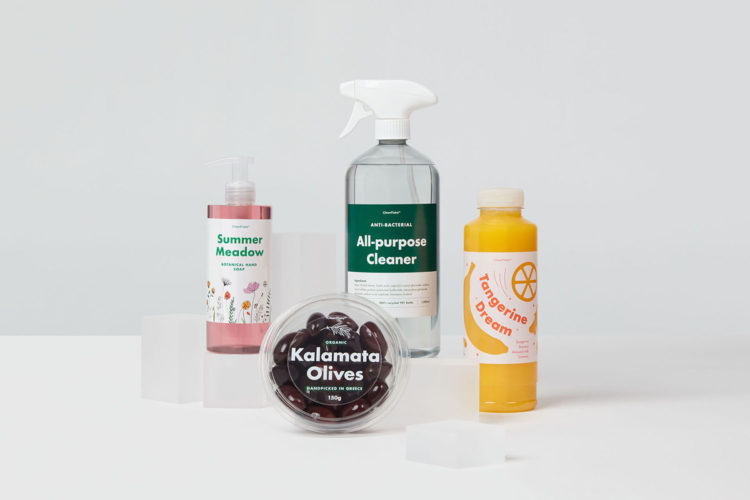
Avery Dennison releases latest Cleanflake Label Materials for companies that care about recyclability
Discover how Avery Dennison’s new CleanFlake label materials make it easier than ever for companies using PET packaging to meet recyclability goals—without compromising on label performance. See how this breakthrough can help your brand deliver on its sustainability promise.
-

Signature Collection line of EDTs re-launched by Playboy
Discover the reimagined Playboy Signature Collection—crafted for the confident South African man, with bold new packaging and distinctive fragrances like Bold, Presence, Ambition, and Legend. Explore the refined EDTs and bespoke design that set this lineup apart.
-

New cosmetic packaging from Sulapac doesn’t cause microplastic pollution
Discover Sulapac’s latest bio-based cosmetic packaging that biodegrades without leaving microplastics behind—an industry first for water-based products. Find out how this innovation meets strict beauty standards while paving the way for a cleaner, greener future in personal care.
-

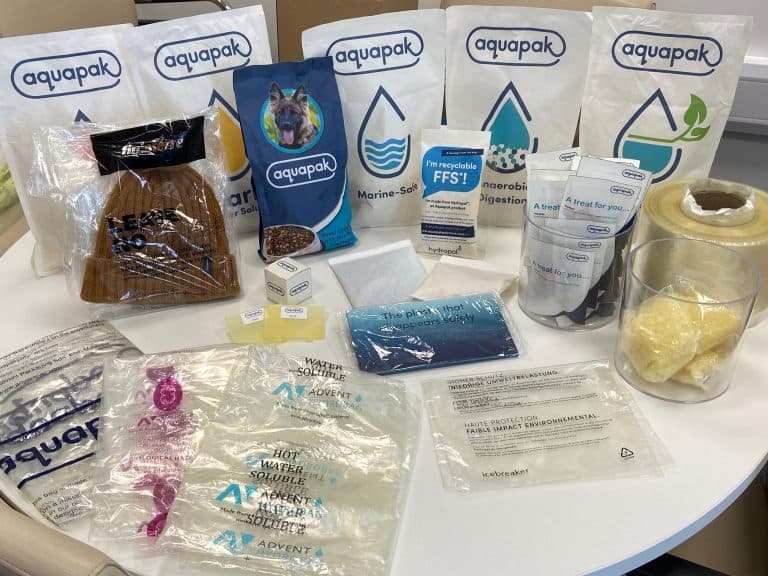
Eco-friendly barrier identified to improve paper packaging recyclability
A breakthrough from Aquapak Polymers could make paper packaging truly recyclable—thanks to a new, fully soluble barrier that replaces plastic without sacrificing performance. Discover how this innovation helps reduce landfill waste while meeting the strict demands of food and household packaging.
-

Beauty Kubes offers hotels a plastic-free toiletries solution
Discover how Beauty Kubes is helping hotels eliminate plastic waste with their innovative, single-use vegan toiletries—delivering premium, eco-friendly care without the plastic. See how your hotel can join the movement for a cleaner, greener future.
-

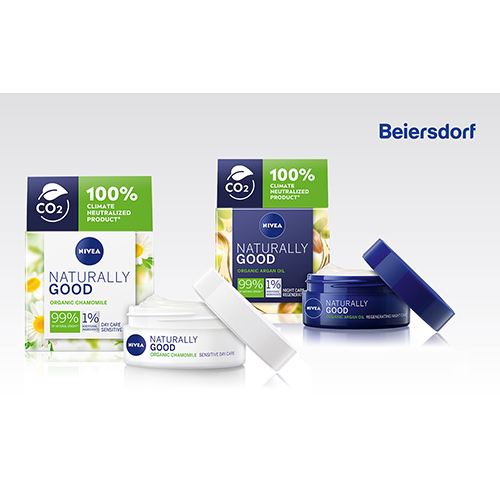
Beiersdorf innovates NIVEA packaging with renewable polymers from SABIC
Discover how NIVEA is leading the way in sustainable skincare by launching new face cream jars made from SABIC’s renewable, bio-based polymers. Find out how this innovation supports Beiersdorf’s bold goals to cut fossil-based plastics in half by 2025.
-
BASF incubator sees its first startup success with BOXLAB Services
BOXLAB Services, the first spin-off from BASF’s Chemovator, now delivers rapid, tailored solutions for packaging and labeling needs in demanding industries. Discover how this startup’s innovative app helps businesses replace damaged packaging within 24 hours—see how BOXLAB is changing the game.
-

BSH uses alternative, sustainable packaging from BASF for home appliances
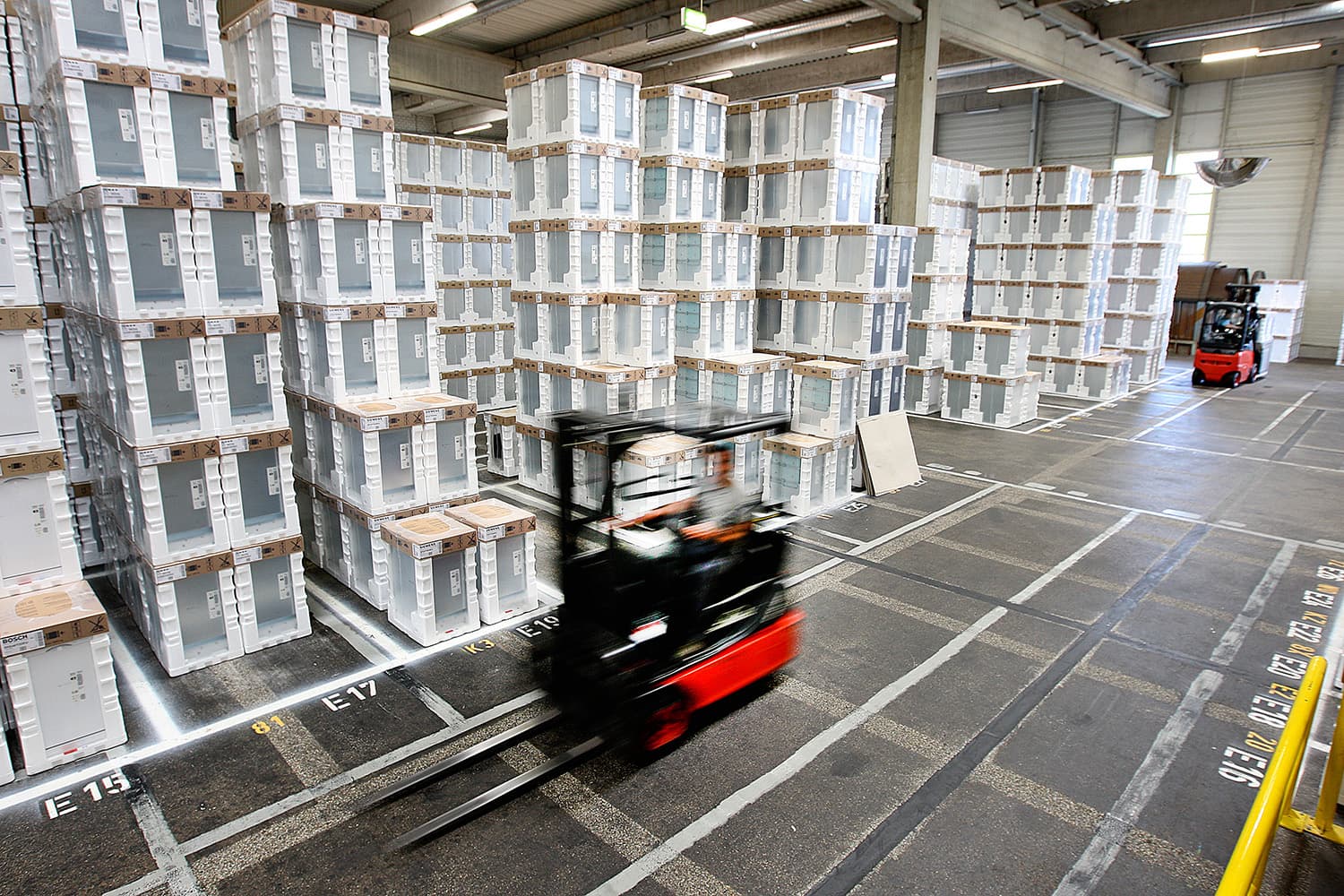
BSH is leading the move to sustainable packaging by using BASF’s recycled Styropor for select Gaggenau appliances. Discover how this innovative step helps reduce waste and sets new global standards in eco-friendly manufacturing for the home appliance industry.
-
Mondi Gronau starts production of one million medical facemasks per day
Mondi Gronau is boosting COVID-19 safety by producing up to one million medical face masks per day in Germany, using a fully integrated and automated process. Discover how their local production is strengthening supply chains and meeting urgent healthcare needs.
-
Neopac’s sustainable tube solutions win WorldStar Packaging Awards
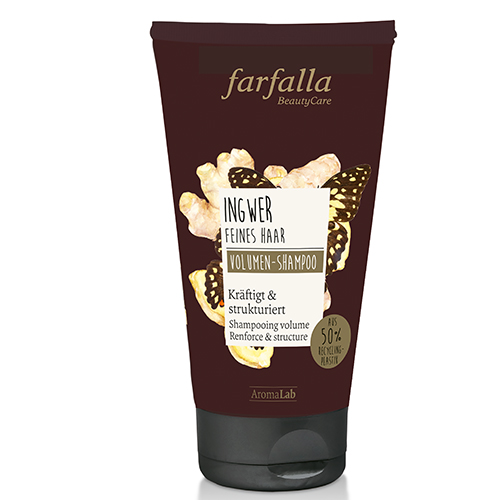
Neopac’s award-winning tubes, including the Recycled Plastic Tube made with up to 64% recycled content, are setting new standards for sustainable packaging in health and personal care. Discover how these eco-friendly innovations are making a real impact—find out more about the WorldStar-winning solutions.
-

IDC awards major financing facility to Teqal
Teqal has secured a R50 million IDC financing boost to expand its KwaZulu-Natal facility and scale up eco-friendly plastic packaging. Discover how this pioneering move could reshape sustainable options in cosmetics and industrial sectors—where billions of non-recyclable units are produced each year.