


BASF Personal Care is releasing a revised version of the active ingredient Laricyl, which features a more sustainable cultivation of the raw material while offering proven enhanced efficacy.

(©GettyImages / Ivan Panti)
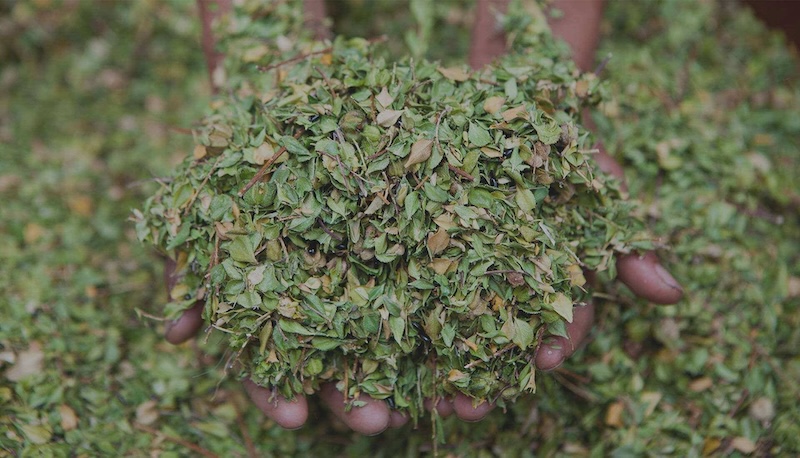
For 20 years, Laricyl, an extract from the Fomes officinalis mushroom, has been a tried-and-tested component of BASF’s portfolio of cosmetic active ingredients for pore refinement. In an effort to align its actions towards more sustainable practices, the company now uses a solid-state fermentation method to cultivate the mycelium, which is the vegetative part of the fungus. This replaces the harvesting of the mushroom from the wild. The mycelium production, which is now organic certified, is carried out in Europe on solid medium within a controlled incubation room. The new version of Laricyl is 99.7% natural origin according to ISO 16128.
“We continuously revise our portfolio to produce even more sustainably. Of course, this should not be at the expense of performance,” said Lucilene Veira Nunes, Head of Business Management for Bioactive Ingredients, EMEA. “With Laricyl, we have now succeeded in making cultivation of the raw material more sustainable, while at the same time improving the results of the ingredient on immediate pore tightening, skin mattifying and moisturisation.”
Improved efficacy confirmed in vivo
In a double-blind, placebo-controlled, split-face and randomised study with 25 female subjects, the revised version of Laricyl at a concentration of 3% improved the appearance of pores in size and number. Image analysis showed that it minimised the appearance of visible pores immediately after application 2.8 times better than the previous version of the ingredient, with an astringent effect. The active ingredient also helped to remove excess oil from the skin, making it less shiny without drying it out.
Responsibly Active programme protects natural resources
Protecting natural resources is one of three focus areas of the company’s Responsibly Active programme for its bioactives portfolio. Among other things, the program seeks to have 100% of botanical supply chains traceable to the source and sustainably sourced as well as 50% organic certified by 2030. By revising the access to the fungus on which Laricyl is based, BASF continues to consistently pursue these ambitious goals. Besides conserving natural resources, the program aims to support people along the value chains and includes measures to reduce climate impact.
Laricyl is just one recent example of how the company’s Care Chemicals Division is addressing future challenges. Sustainability, digitalisation, innovation and new approaches to working together are the key cornerstones to Care 360°– Solutions for Sustainable Life.


Leave a Reply
You must be logged in to post a comment. Need an account? Register here.