
Cosmetic preservation is undergoing a significant transformation, with hybrid systems leading the way. In this interview, Karolina Scierski, portfolio marketing manager for preservation at Clariant, shares expert insights on how hybrid systems and multifunctional boosters are reshaping the cosmetics industry.

What is driving the shift towards hybrid preservation systems in cosmetics?
Karolina Scierski: The shift is being driven by several factors. Regulatory pressures are increasing, and consumers are demanding cleaner, more sustainable products. At the same time, formulators are looking for ways to reduce INCI lists while keeping up with the fast-paced nature of trend cycles. These factors combined are pushing the industry towards hybrid preservation systems that balance safety, performance, and sustainability.
How has the role of preservation in cosmetics evolved?
Karolina Scierski: Preservation is no longer just about antimicrobial efficacy. It has become a multifunctional element that impacts safety, sensory profiles, and ‘free-from’ claims. This means formulators must now think of preservation as an integral part of the overall formulation, rather than a standalone component.
What role do multifunctional boosters play in this new approach?
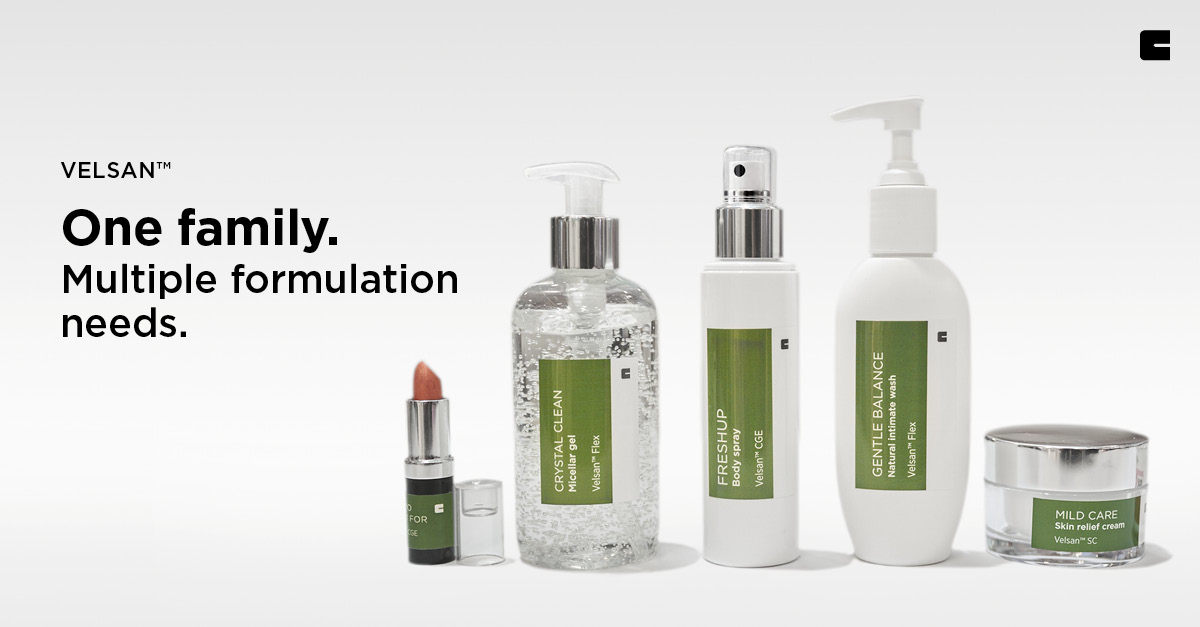
Karolina Scierski: Multifunctional boosters are a key part of modern preservation strategies. They allow for the reduction or replacement of controversial preservatives while adding additional benefits such as emollience, solubilisation, or sensory enhancement. For example, Clariant’s Velsan™ portfolio is a great example of how multifunctional boosters can deliver both performance and sustainability.
What challenges do formulators face when adopting hybrid systems?
Karolina Scierski: One of the biggest challenges is the knowledge gap within the industry. Hybrid systems require deeper technical expertise and a lot of trial-and-error to perfect. Additionally, the pressure to innovate quickly adds to the complexity. This is why specialist support, such as preservation expert teams and high-throughput testing, is so important.
What does the future of cosmetic preservation look like?
Karolina Scierski: Preservation will become a visible, system-level part of product design. Integrated solutions will be the focus, catering to diverse applications like sun care, wipes and baby care. This holistic approach will redefine how preservation is perceived and implemented in the cosmetics industry.




Leave a Reply
You must be logged in to post a comment. Need an account? Register here.