

Long overlooked as unglamorous, packaging is coming into its own once again thanks to the rise of online shopping and the challenges that brands are facing in differentiating themselves.
New technologies – especially digital printing and finishing – are greatly expanding the potential of packaging to create moments of genuine and relevant consumer engagement.
Sustainability is perhaps the most important packaging trend of this decade and beyond. As a country, we dispose of huge quantities of packaging daily, but consumers are becoming increasingly conscious of the need to address this issue.

Sustainability a major driver
From ocean plastic to single-use coffee cups, brands are starting to experience a backlash from consumers who perceive them as not caring about the environment, or not being willing to change. However, more forward-thinking brands can use this concern to their advantage, by getting creative with their packaging.
This ranges from using new materials (such as biodegradable plastics) to encouraging changes in consumer behaviour – for example, re-using glass jars at home or rejecting carrier bags. Both design and engineering come into play here: well-designed, attractive and practical packaging is more likely to be kept and re-used or repurposed by consumers, while less harmful materials are an all-round win.
For decades, plastic was only ever thought of as fantastic, easily moulded into any shape and food safe. More recently, its reputation has taken a severe knock, largely due to its lasting environmental impacts. The trend towards less plastic is very much aligned with sustainability – and again, presents both challenges and opportunities. For brands that can authentically demonstrate their green credentials, there is huge scope to engage with consumers and grow their businesses.
Welcoming advertising into the home
Every single item of packaging represents not just one, but potentially multiple consumer touchpoints from (for example) the store to the fridge and dining table. Packaging is the one form of advertising that consumers willingly engage with – the product becomes its own advertisement (and with no added production costs).
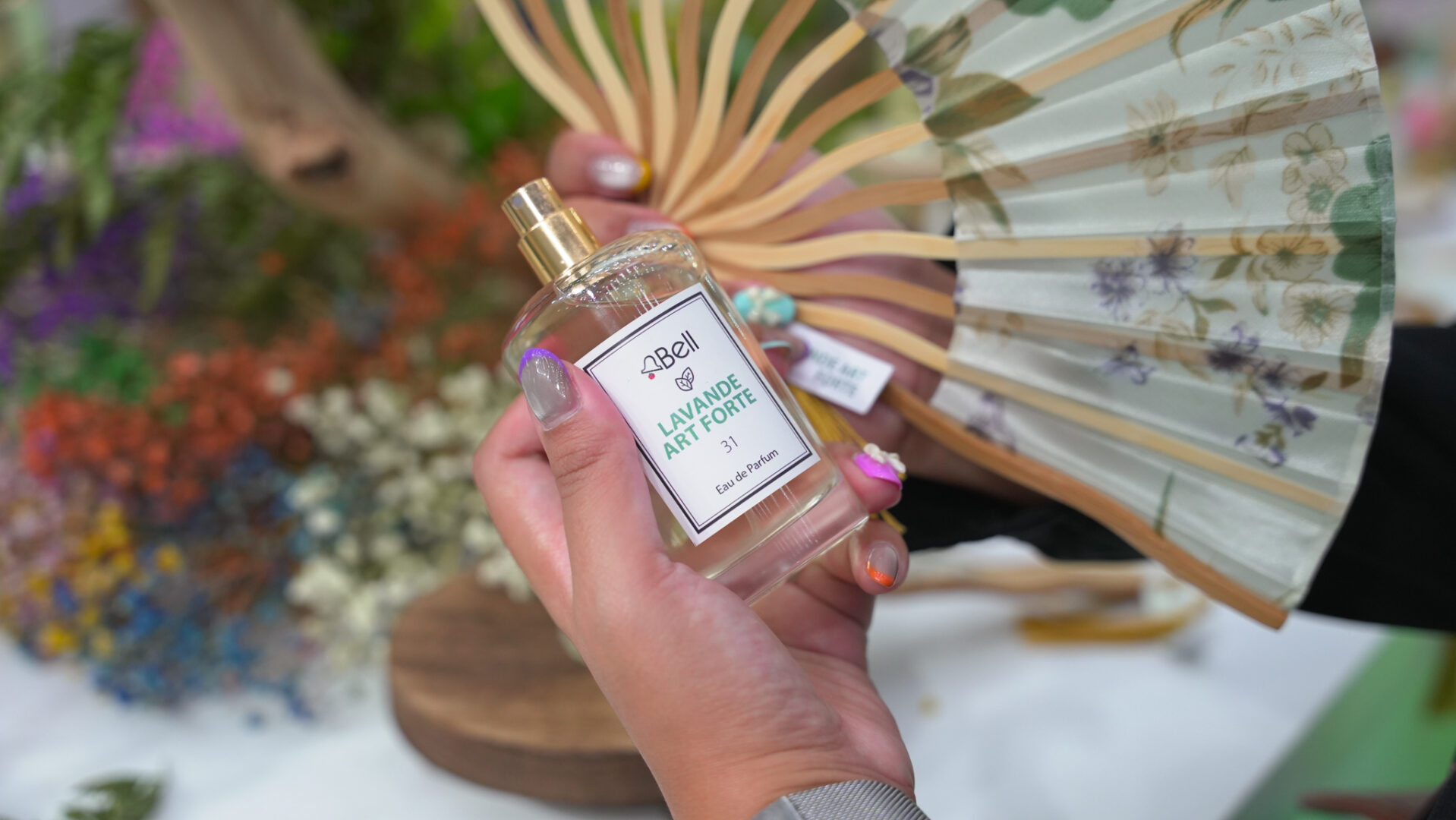
Packaging represents valuable real estate that brands can use to tell their stories, convey their values, or simply talk to consumers. Best of all – it is owned media that can be used in any way they wish. Packaging as marketing is another packaging trend that sees design and materials converge.
The enormous potential of unboxing
The humble brown cardboard box is suddenly everywhere, thanks to the inexorable rise of online shopping and COVID-19 lockdown restrictions. Courier companies are not the only ones enjoying a business boom: all those oh-so-easy to click and buy items need to be packaged for delivery. This means a huge growth in the market for sturdy yet lightweight (in transport, grams equal rands) packaging. Most online shopping packaging to date has been very functional in design, but there is enormous potential here for innovation and creativity. Especially now, the importance of an ‘unboxing’ wow moment is key, and consumers place a high value on ‘premium’ packaging.
Essentially then we are not looking at separate packaging trends, but several interlinked trends – people are using more packaging but are more conscious of what it is made from, what happens to it after they’ve used it, and what it looks and feels like. Align these shifts in consumer opinion with the potential that digital printing offers for mass customisation, embellishment and delivering creativity, and you have a perfect storm of factors that add up to unmissable opportunities to completely reimagine the meaning of packaging.
Click here for more information on Kemtek’s outstanding HP Indigo digital print presses and finishing solutions.




Leave a Reply
You must be logged in to post a comment. Need an account? Register here.