

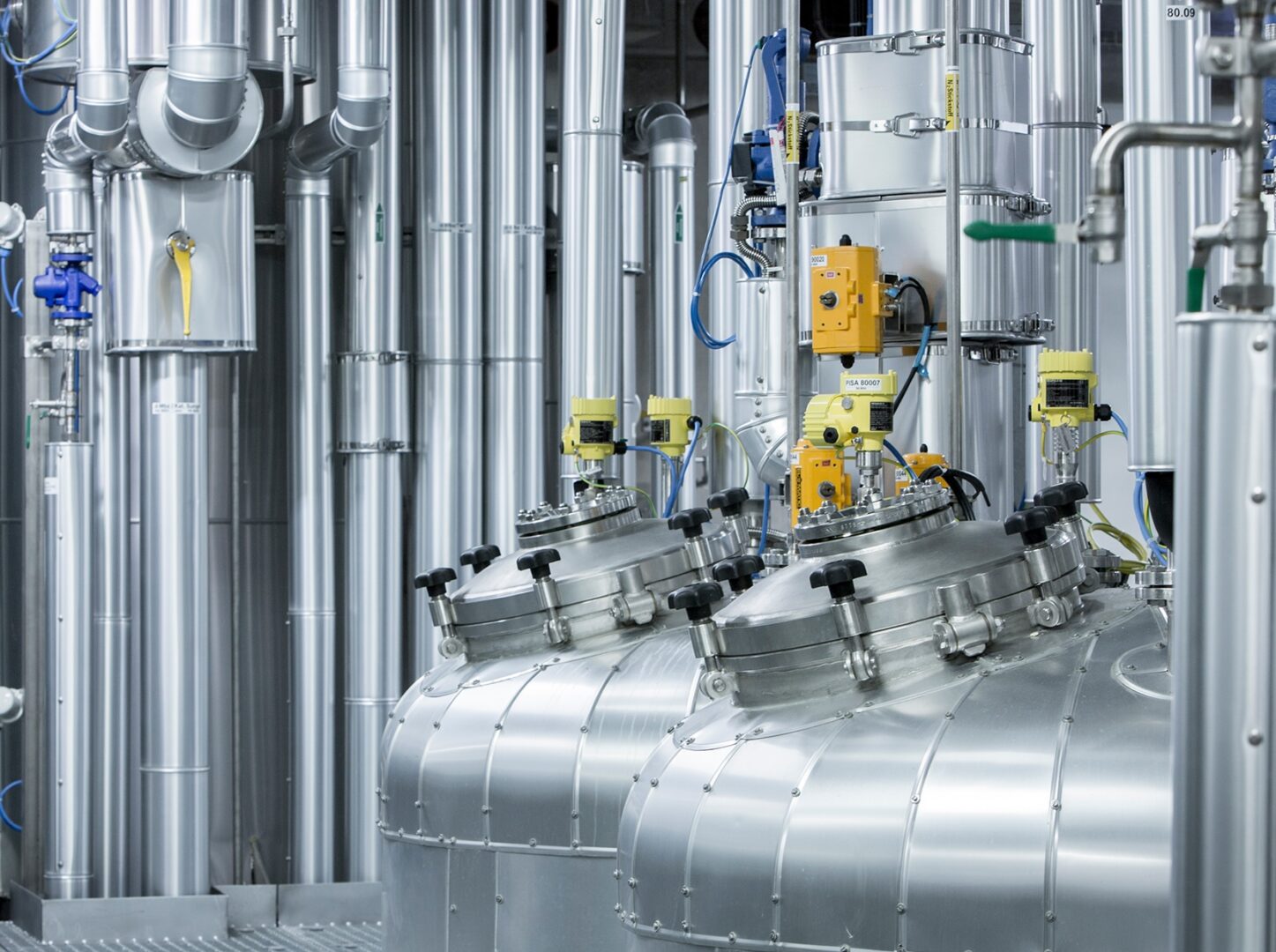
Solvay has begun a process of decarbonising the cyclopentanone unit of its Melle plant in France. Through an agreement with an agricultural cooperative for the next 15 years, the entire cyclopentanone production will indeed rely solely on biomethane gas, a green source of energy.
The cooperative built a facility to convert waste biomass into 18GWh of renewable natural gas (RNG) per year, which Solvay has committed to purchase for the Melle plant.

“Since cyclopentanone is used as a building block for so many fragrance applications, such as jasmine, we are committed to producing it in the most sustainable way,” said Guillaume Meunier, flavour and fragrance global marketing director for Solvay Aroma Performance. “Powering the Melle plant with biomethane gas is a part of our Solvay One Planet initiative, which aims to reduce greenhouse gas emissions by 26%, by 2030.”
A building block in fragrance applications
Solvay commercialises two grades of cyclopentanone – one for the fragrance market and another ultra-high purity version for the electronics market – which are manufactured at the Melle plant.
In fragrance applications, cyclopentanone is used as a building block mainly in methyl dihydro jasmonate (MDJ), which provides a delicate floral bouquet of blooming jasmine flowers. Other aroma chemicals derived from cyclopentanone include an entire range of delta-lactones, which offer a variety of delicate creamy and fruity notes.
Click here to learn more about Solvay’s portfolio of fragrance solutions.


Leave a Reply
You must be logged in to post a comment. Need an account? Register here.